What a drone actually is
A drone, in the sense used throughout this site, is a small uncrewed aircraft flown from the ground by one person holding a radio controller, kept where that person can see it, and used for recreation, photography or racing. It has no pilot on board and no passenger. In the United Kingdom it is an aircraft in law, not a toy, and the Civil Aviation Authority publishes the requirements that apply to it.
The word carries four separate senses that people search for, and three of them are not this one:
- The male honey bee is a drone. It does no foraging, has no sting, and exists to mate with a queen. Nothing to do with aircraft.
- A sustained note held underneath a melody is a drone, the effect a set of bagpipes produces and the reason the Indian tanpura is built the way it is. A musical term, not a machine.
- A military uncrewed aircraft is also called a drone. It is a different class of machine, operated under a different body of law by states rather than people, and it is out of scope on this site entirely.
Everything from here refers to the civil hobby aircraft.
The definition a buyer actually needs
The definition that matters to a buyer has four parts, because each part is a thing that can go wrong or a thing the law attaches to. A hobby drone is uncrewed, so nobody is on board to feel the wind or hear the motors. It is remotely piloted, so the link between the controller and the aircraft is a real component that can fail. It is battery powered, so its endurance is short and fixed by the pack in it. And it is flown within visual line of sight, which is the condition the whole recreational scheme is built on and the reason this site is named the way it is.
Two published figures follow from that. The CAA scheme sets a height ceiling of 400 feet, which is about 120 metres, above the surface. It also sets a class boundary at 250 grams, and which side of that line an aircraft sits on changes what is asked of the person flying it. Both are published by the Civil Aviation Authority and both change from time to time, so they must be confirmed with the CAA rather than with a shop.
The parts of a drone, and what each one decides
The parts of a drone divide into eight groups, and a specification sheet is really a list of choices made about those eight. Knowing which part governs which behaviour is what lets a reader tell a meaningful specification from a marketing line.
| Part | What it does | What it decides for the flyer |
|---|---|---|
| Airframe | Carries the motors at fixed spacing and holds everything else | Size, folded bulk, and whether a crash bends it or breaks it |
| Motors | Brushless units, one per arm, that spin the propellers | Lift available, and therefore how much wind the aircraft tolerates |
| Electronic speed controllers | Turn the flight controller's commands into motor speed | How sharply the aircraft responds and how smoothly it holds still |
| Propellers | Convert motor rotation into thrust | Noise, efficiency, and the commonest consumable |
| Flight controller | Reads the gyroscopes, accelerometers and barometer | Whether the machine flies itself or has to be flown |
| Battery | A lithium polymer pack, rated in cells and milliamp hours | Flight time, weight, and the one part that can cause a fire |
| Radio link | Transmitter in the hand, receiver aboard, usually near 2.4 GHz | Control range, and what happens when the link drops |
| Camera and gimbal | The sensor and the motorised mount that steadies it | Whether the footage is usable or merely recorded |
One of those deserves a warning rather than a description.
Caution
Lithium polymer packs are the part of a drone that can hurt somebody. A pack that has been punctured, dented, dropped hard or left swollen can vent and burn, and it will do so without warning after the flight rather than during it. Charge packs on a hard surface away from anything that will catch, and stop using a pack that no longer sits flat.
Quadcopter, hexacopter, and how those differ from "drone"
A quadcopter is a drone with four rotors, so the difference between a drone and a quadcopter is a difference of category and not of kind. Drone is the general word for the whole family of uncrewed aircraft. Quadcopter names one layout inside it: four arms, four motors, four propellers, two turning one way and two the other so the airframe does not spin. Almost every hobby drone sold today is a quadcopter, which is why the two words are used as though they were interchangeable. They are not, in the same way that saloon and car are not.
A hexacopter has six rotors and an octocopter has eight. The extra motors buy lifting capacity and a degree of redundancy, since a six rotor machine can sometimes stay controllable after losing one motor where a quadcopter cannot. They also cost more, weigh more and fold down less well, which is why they belong to professional lifting work rather than to hobby flying.
Multirotor against fixed wing
The multirotor against fixed wing comparison is the one real fork in the family tree, and each side wins somewhere. A multirotor holds a position in the air, takes off vertically from a patch of grass the size of a doormat, and can hover over one spot for as long as its pack lasts. A fixed wing aircraft has a wing that generates lift from forward speed, so it cannot stop, but it converts battery energy into distance far more efficiently and stays up much longer for the same weight of battery.
Fixed wing is the better answer whenever the task is covering ground: a long transect, a survey line, or simply staying airborne. Multirotor is the better answer whenever the task is holding still, which describes nearly all photography and nearly all first flights. A fixed wing model also needs somewhere to launch and somewhere to land, and it does not forgive a bad approach the way a hovering machine does.
The five classes you are choosing between
The five classes below are the practical shape of the hobby market, and choosing one is most of the buying decision. Note that the middle column is the 250 gram line rather than a weight in grams, because that boundary is what changes the answer.
| Class | What it is for | Against the 250 gram line | What it asks of the flyer |
|---|---|---|---|
| Toy and indoor trainers | Learning the sticks in a hallway or a garden | Far below it | Patience, and a room with nothing breakable in it |
| Sub 250 gram folding models | Stills and video from a machine that fits in a coat pocket | Deliberately below it, by design | Steady hands and an awareness that wind is the limiting factor |
| Larger camera aircraft | Longer reach, bigger sensor, more tolerance of weather | Above it | Planning before the trip, and reading the requirements first |
| First person view and racing machines | Flying by live video from the aircraft's own camera | Both sides, most models above it | The steepest learning curve of the five, and a simulator first |
| Fixed wing models | Covering distance and staying airborne | Almost always above it | Open ground to launch into and open ground to land on |
Two of those five have their own reference pages here. Camera drones covers the class most first time buyers end up in, including what a gimbal actually buys and where sensor size stops mattering. FPV and racing drones covers the class flown through goggles, where the aircraft is built rather than unboxed and the propellers are commonly around three to five inches across.
What owning one asks of you before you buy
Before buying a drone, three things are worth settling, and only one of them is the aircraft. The first is where there is legally somewhere to fly it, because a machine bought for a city flat is a machine flown twice. The second is registration: the Civil Aviation Authority runs a registration scheme for the United Kingdom, what it asks depends on the aircraft and on whether it carries a camera, and its requirements change, so the CAA is the only place to check them. The third is insurance, which is never part of the price of the machine and is arranged separately, most often through membership of a model flying association.
The rest of the site is arranged around those decisions. Line of Sight sets out which drone to buy and where in the United Kingdom you may fly it, class by class and rule by rule, and it sells nothing at all.
Where to start
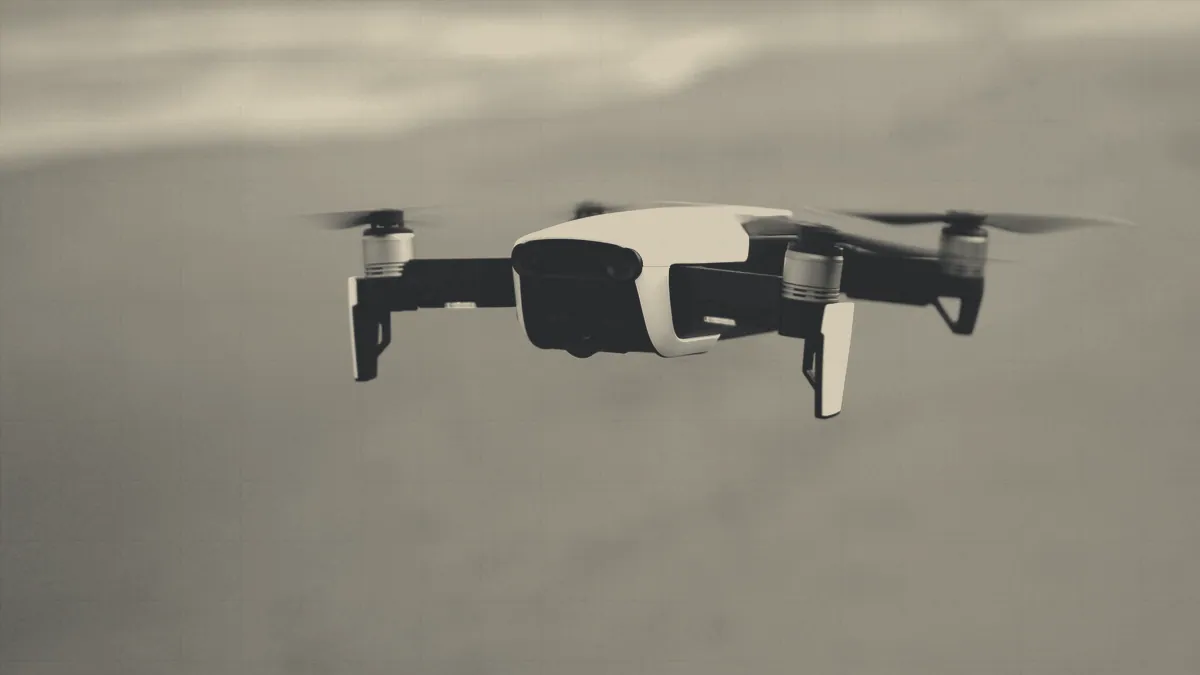 1. CAMERA DRONECamera dronesA camera drone is a small multirotor aircraft built around a camera it has to hold still.
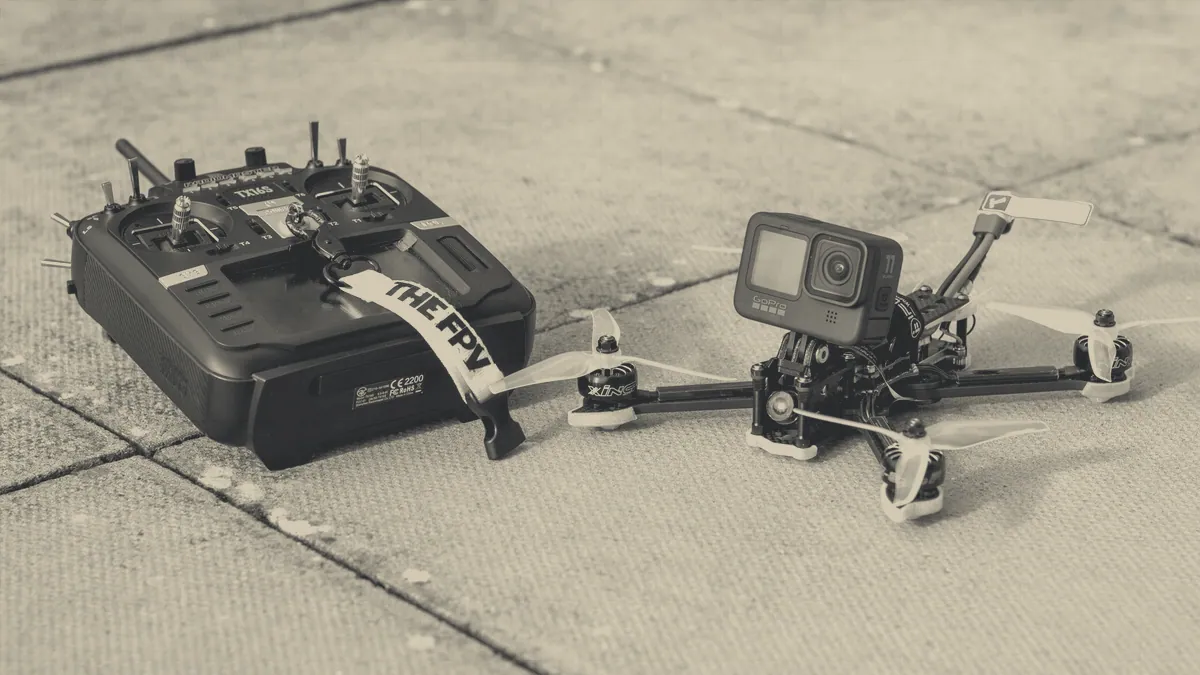 2. FPV DRONEFPV and racing dronesAn FPV drone is a multirotor flown from a live camera feed shown in goggles.
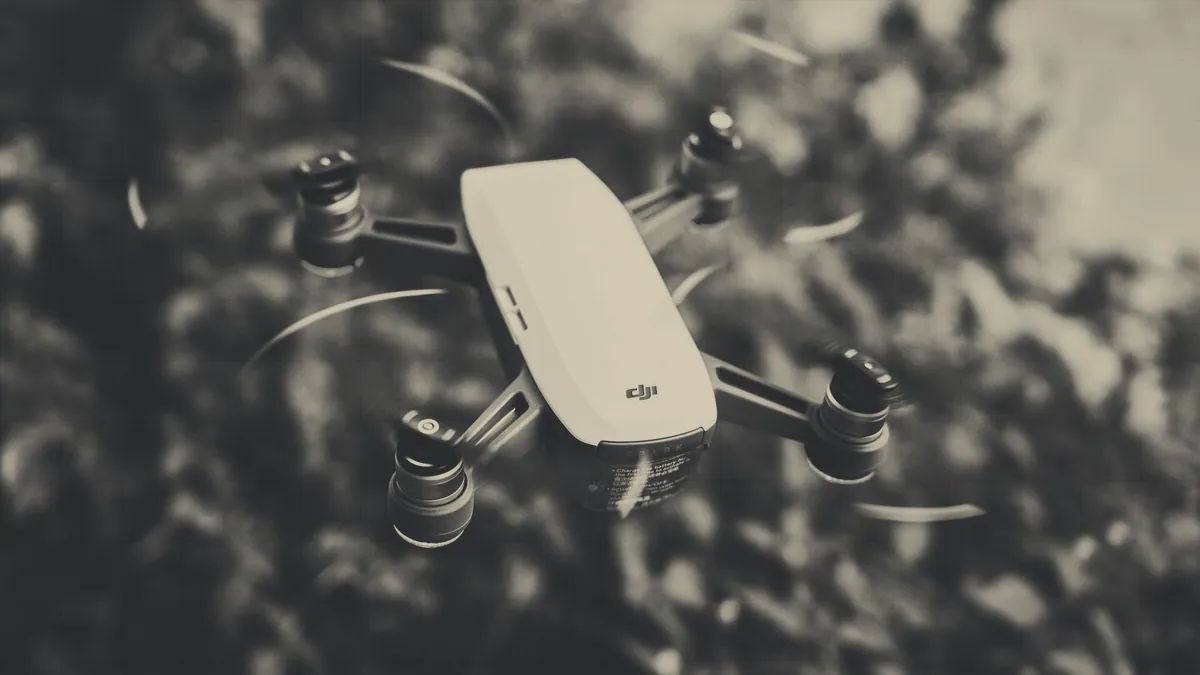
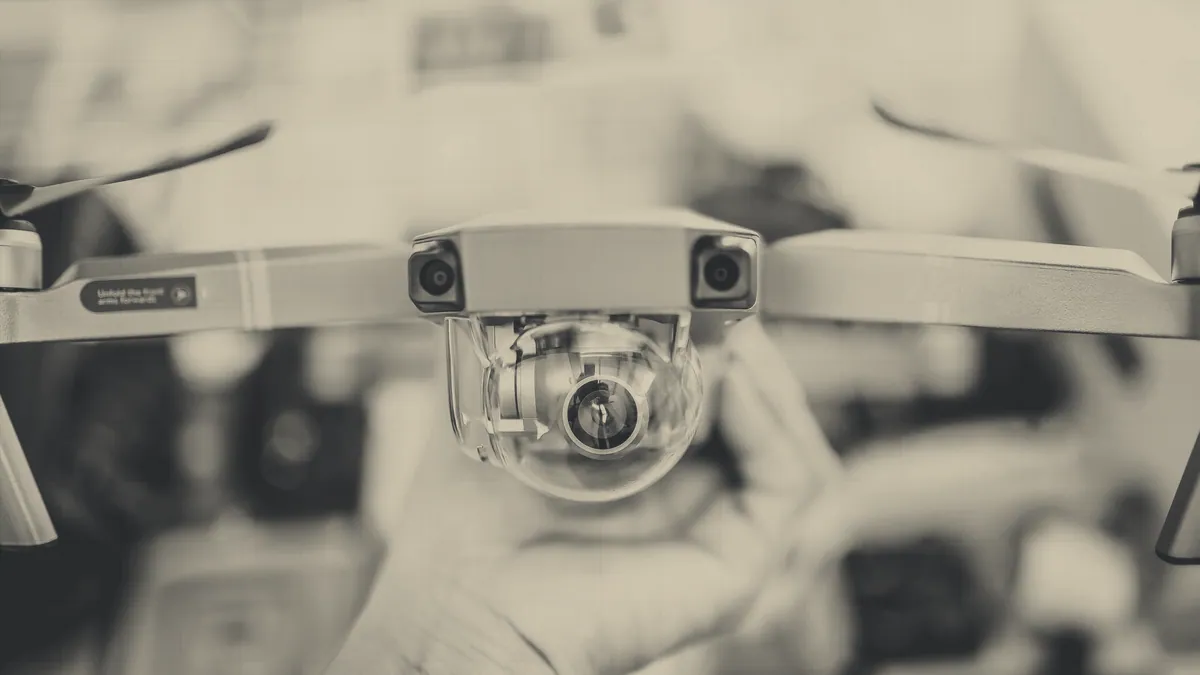 3. MINI DRONEMini and foldable dronesA mini drone is a camera-carrying multirotor built to come in under 250 g on the scales.
A class of hobby drone a buyer chooses between
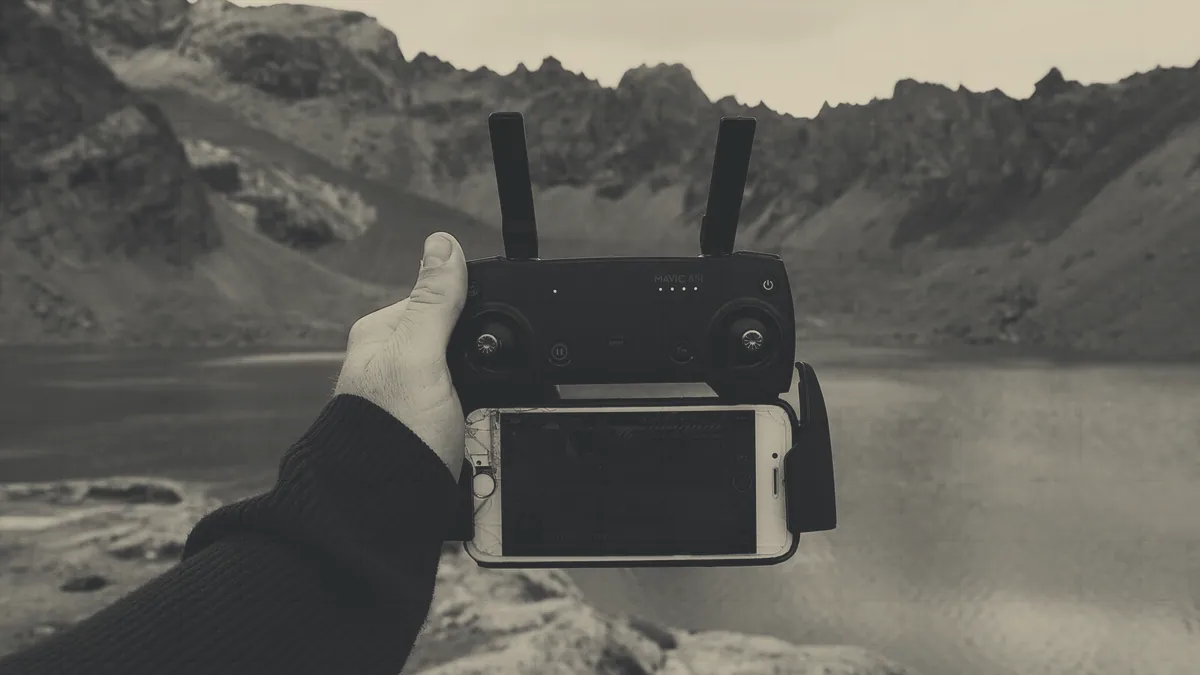 BEST DRONE FOR BEGINNERSA first droneThe best drone for a beginner is a machine under 250 grams with satellite position hold, a return to home function and cheap replaceable propellers.
 CHEAP DRONECheap dronesA cheap drone is worth buying when the thing being cut is the camera, the case or the brand.
 FOLLOW ME DRONEFollow me dronesA follow me drone is a drone that holds a position relative to a moving subject and keeps the camera pointed at them without anyone touching.
 DRONE WITH CAMERA 4K4K camera dronesA 4K camera drone is a drone whose camera records a video file measuring 3840 by 2160 pixels.
 TOY DRONEToy dronesA toy drone is a small multirotor costing under about fifty pounds, with brushed motors, no satellite positioning and a camera bolted to the shell.
 INDOOR DRONEIndoor dronesAn indoor drone is a drone light enough and slow enough to be flown inside a room without damaging the room, the aircraft or the person flying it.LONG RANGE DRONELong range dronesA long range drone is a drone sold on the strength of its radio link. Those two distances are not close to each other.
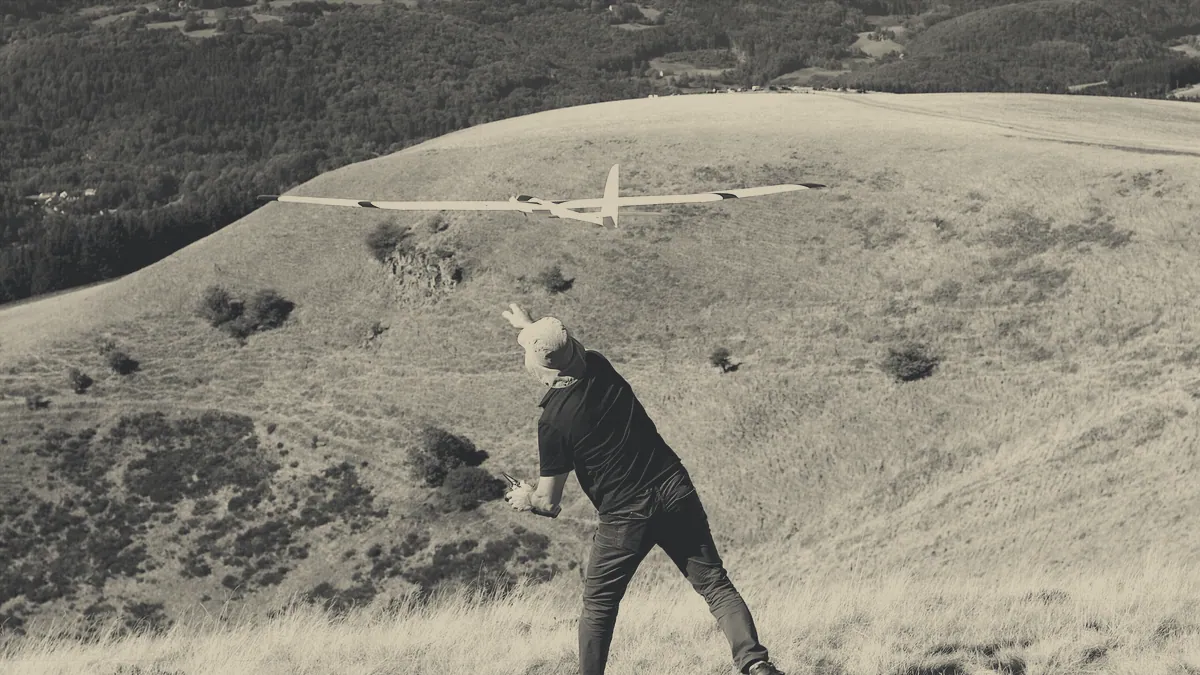 FIXED WING DRONEFixed-wing dronesA fixed-wing drone is an unmanned aircraft that carries its weight on a wing, the way a model aeroplane does.
 GPS DRONEGPS dronesA GPS drone is a drone carrying a satellite navigation receiver. Everything sold as a feature on this class comes out of those three.
All pages in What is a drone
 CAMERA DRONE PRICEWhat a drone costsA camera drone in the United Kingdom costs anything from under fifty pounds for a toy with a lens glued to the nose.
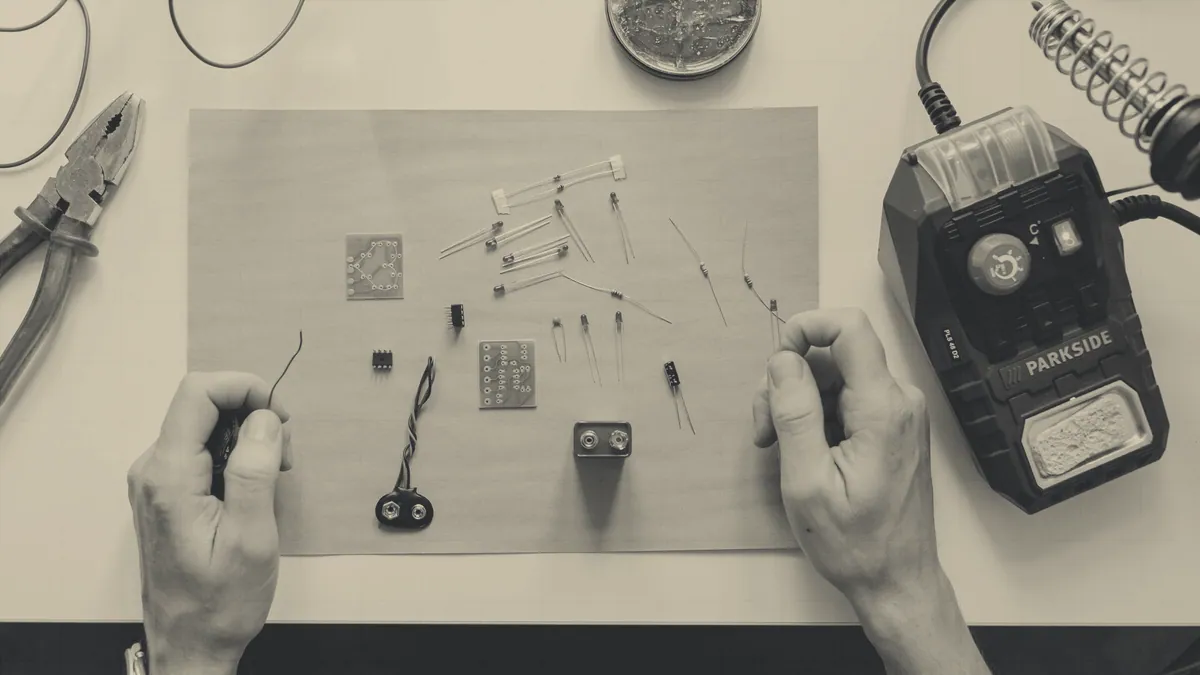 DRONE KITDrone kitsA drone kit is a boxed set of the parts needed to build a flying aircraft yourself.250G DRONEWeight classesA 250 gram drone is one whose take off weight, battery and propellers fitted.
 LONGEST FLIGHT TIMEFlight timeThe longest flight time available to a hobby buyer sits at the top of the folding camera class.