The parts of a drone
Drone parts are the eight assemblies a hobby multirotor is built from: the frame, the motors, the electronic speed controllers, the propellers, the flight controller, the radio receiver, the battery pack and, on most machines, a camera on some kind of mount. A ready to fly drone hides all eight inside a moulded plastic shell and gives you no way in. A self built quadcopter arrives as eight separate boxes and a soldering iron. It is the same aircraft either way, and knowing which part does what is the difference between a machine you keep flying for years and one that becomes landfill after the first hard landing.
The eight parts every multirotor has
Every multirotor has the same eight parts, whether it folds into a coat pocket or spans half a metre. The names change between manufacturers, the arrangement does not. The table below is the whole anatomy in one place, with the honest answer on how often each part is replaced by an ordinary flyer rather than by a workshop.
| Part | What it does | How often it is replaced |
|---|---|---|
| Frame | Holds the motors at a fixed spacing and carries everything else | Rarely, and usually after a crash |
| Motors | Turn electrical power into shaft rotation | Every few seasons, or after grit or a crash |
| Speed controllers | Tell each motor how fast to turn, hundreds of times a second | Rarely, usually after a failure |
| Propellers | Convert shaft rotation into thrust | Constantly. This is the consumable |
| Flight controller | Reads the sensors and decides what each motor does next | Almost never |
| Radio receiver | Hears the handset and passes your inputs to the flight controller | Almost never |
| Battery | Supplies the current everything else spends | Every year or two of regular flying |
| Camera and mount | Records the picture and holds it steady | Only when damaged, and usually not at home |
A drone that will not lift off is nearly always failing at one of the first four. A drone that lifts off and behaves strangely is nearly always failing at one of the last four.
The frame, and why the rest of the build follows from it
The frame is the part that decides the others, because the frame fixes the distance between the motors and that distance fixes the largest propeller the aircraft can turn without the blades striking each other. A frame is described by two numbers: the wheelbase, measured diagonally from motor centre to motor centre in millimetres, and the propeller size it is cut for, in inches. A 220 mm frame is a 5 inch frame. A 65 mm frame is a ducted indoor machine you can fly across a kitchen.
On a folding camera drone the frame and the outer shell are the same object, which is why an arm hinge that develops play is a serious fault rather than a cosmetic one. On a self built quadcopter the frame is four carbon fibre arms, a base plate and a top plate, bolted through with M3 hardware, and any of those pieces can be bought singly. Frame size also sets the finished weight, and weight is the number the Civil Aviation Authority registration scheme is built around, so the frame quietly decides which set of requirements the finished aircraft falls under.
The power train: motors, speed controllers and propellers
The power train is three parts working as one: the battery feeds the electronic speed controllers, each speed controller drives one brushless motor, and each motor turns one propeller. Nothing here has a gearbox and nothing here has brushes to wear out. The flight controller changes the speed of the four motors independently, several hundred times every second, and that is the entire mechanism by which a quadcopter turns, climbs and holds still in a breeze.
These three are matched to each other, not chosen separately. A motor is specified by its stator size and its KV figure, a speed controller by the continuous current in amps it can pass, and a propeller by its diameter and pitch in inches. Put a large propeller on a high KV motor and the speed controller will run hot and eventually let go. Motors and speed controllers covers how those figures relate, and the propellers page covers what the four digit code on a set of blades actually means. Propellers are the part you will buy most often, by a wide margin, and they are the cheapest thing on the aircraft.
The flight controller, the radio and the sensors that keep it level
The flight controller is a small board carrying a processor and an inertial measurement unit, and it is the only part of the aircraft doing anything clever. The inertial measurement unit contains a gyroscope and an accelerometer. Most machines add a barometer for height, a magnetometer for heading and a satellite navigation receiver, and camera drones add downward facing optical sensors so they can hold position indoors where satellites cannot reach.
The radio link is two pieces: the handset in your hands and a receiver on the aircraft, bound to each other so no other handset can command it. Control links usually run on 2.4 GHz. The video link, where there is one, usually runs on 5.8 GHz. Losing the control link is not the emergency a beginner expects it to be, because the flight controller is programmed for it and will hold position, land or return to the take off point depending on what it has been told to do.
The camera, the gimbal and the video link
The camera on a hobby drone is one of two entirely different things. On a camera drone it is a stills and video camera on a motorised gimbal, a three axis mount that measures the aircraft's movement and cancels it, and that gimbal is the single most delicate assembly on the aircraft. On a racing machine it is a small fixed camera with no stabilisation at all, feeding a live low latency picture down to FPV goggles, and the recording, if any, is made by a separate action camera bolted on top.
The two are not interchangeable. A gimbal will not survive the vibration of a freestyle build, and a fixed camera will give you footage that is unwatchable at full size. Which one is on the aircraft is the clearest single indicator of what class of machine you are holding.
Which parts you will actually replace
You will replace three parts and leave the other five alone. Propellers go first and go often, because they meet the ground, the hedge and the door frame before anything else does. Batteries go second, because a lithium polymer pack loses capacity with every charge cycle and is a consumable with a service life rather than a permanent fitting. Landing gear, arm covers and shells go third, and on most folding drones these are sold as spares and are genuinely a beginner level job.
- Replace propellers whenever a blade shows a nick, a crack or a bend, and always as a matched set.
- Retire a battery when it puffs, when it will not hold a charge, or when the flight time has fallen well below what it gave when new.
- Fit new landing gear, guards and shells yourself, with the small screwdriver that came in the box.
- Leave the flight controller, the receiver, the gimbal and the camera to somebody with the jig and the firmware, unless you built the aircraft.
Caution
Never work on an aircraft with the battery connected. A flight controller that thinks it has been armed will spin the motors, and a propeller turning at full throttle will open a hand. Disconnect the pack, and take the propellers off before any bench test.
Buying parts in the UK: kits, spares and what the letters on the box mean
Parts in the UK come from three kinds of supplier: the manufacturer's own spares list, the independent hobby shops that have served the radio controlled trade for decades, and the general online retailers. A model shop nearby is worth finding for one reason above price, which is that the person behind the counter has seen the failure you are describing before. Radio controlled aircraft explains the wider hobby these suppliers grew out of, and it is the same trade that stocks fixed wing models, helicopters and multirotors from the same shelves.
Kits are sold under four abbreviations, and they are the same four the fixed wing hobby has used for years. RTF means ready to fly, with a handset and a battery in the box. BNF means bind and fly, which is the aircraft alone, expecting you to own a compatible handset already. PNP means plug and play, the aircraft without a receiver at all. ARF means almost ready to fly, and on a multirotor generally means a frame kit with the electronics still to fit. A beginner FPV kit in the UK is usually sold as an RTF bundle with an aircraft, a handset and FPV goggles together, and that bundle is the sensible entry point because every piece in it is already matched to every other piece.
Prices for parts sit in bands rather than at points. Propellers are the cheapest thing you will buy for the aircraft and are sold in packs. Motors, speed controllers and batteries occupy a middle band where a set of four costs a meaningful fraction of a budget aircraft. A gimbal or a mainboard sits in the band where the repair starts to compete with the price of the whole machine, which is the moment to stop and think rather than to order. One thing no part will do is change what the law asks of you: registration, the requirements around insurance for anything other than recreational flying, and the question of whether a licence style qualification applies to what you are doing are all set by the Civil Aviation Authority, they turn on how and where you fly rather than on which parts you fitted, and they change, so they must be checked at the source.
Where to start
 1. START HEREFPV gogglesFPV goggles are a head worn display that shows the live picture from a camera on the aircraft.
 2. DRONE LANDING PADLanding padsA drone landing pad is a portable mat, usually circular and usually reversible, that you peg to the ground and take off from.
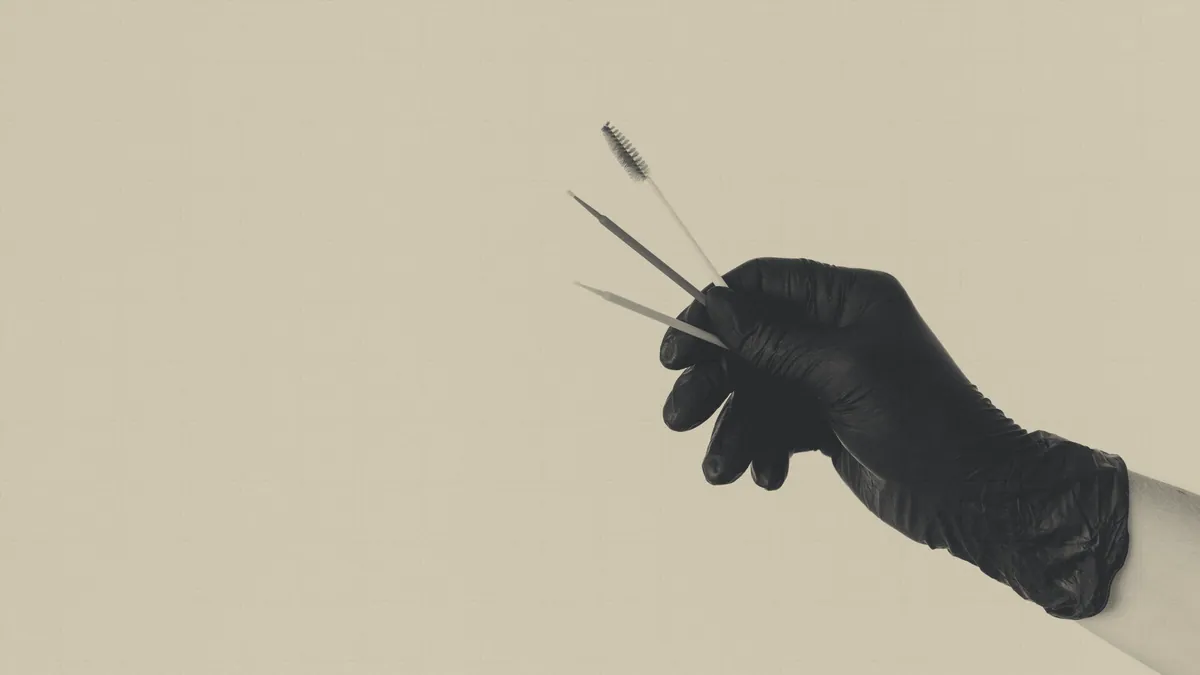 3. DRONE CLEANERCare and cleaningCleaning a drone requires no special drone cleaner: the whole job is done with a soft brush, a can of dry compressed air, a microfibre cloth.
One physical part of a drone
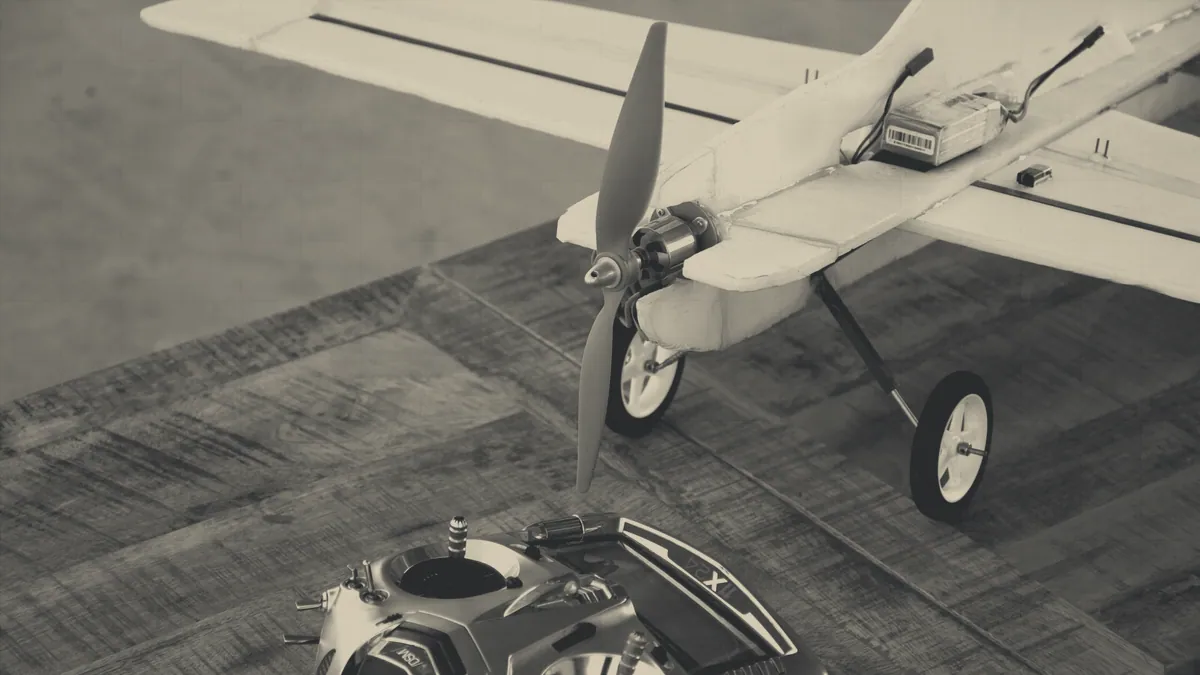 DRONE MOTORSMotors and speed controllersDrone motors are brushless electric motors, and each one is fed by its own electronic speed controller.
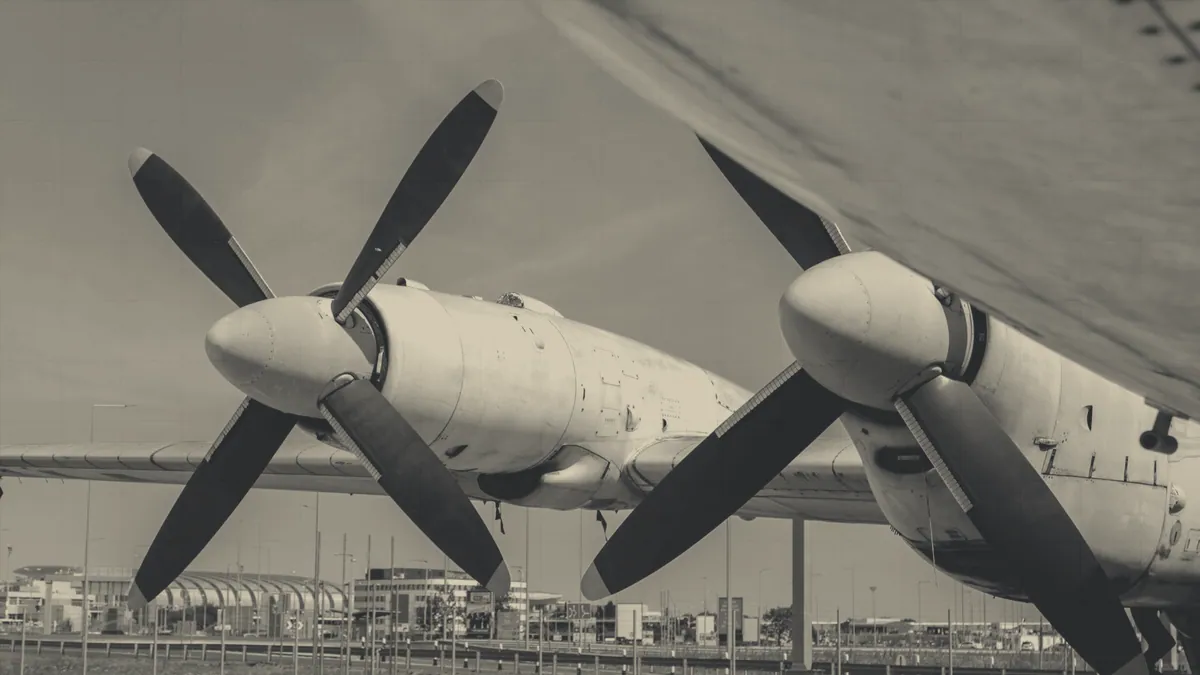 DRONE PROPELLERSPropellersDrone propellers are the moulded blades that convert motor rotation into thrust, and on a quadcopter there are four of them.
 DRONE FRAMEFramesA drone frame is the rigid chassis that holds the four motors at a fixed spacing and carries everything else.